

Edited by David Mizejewski, National Wildlife Federation Naturalist
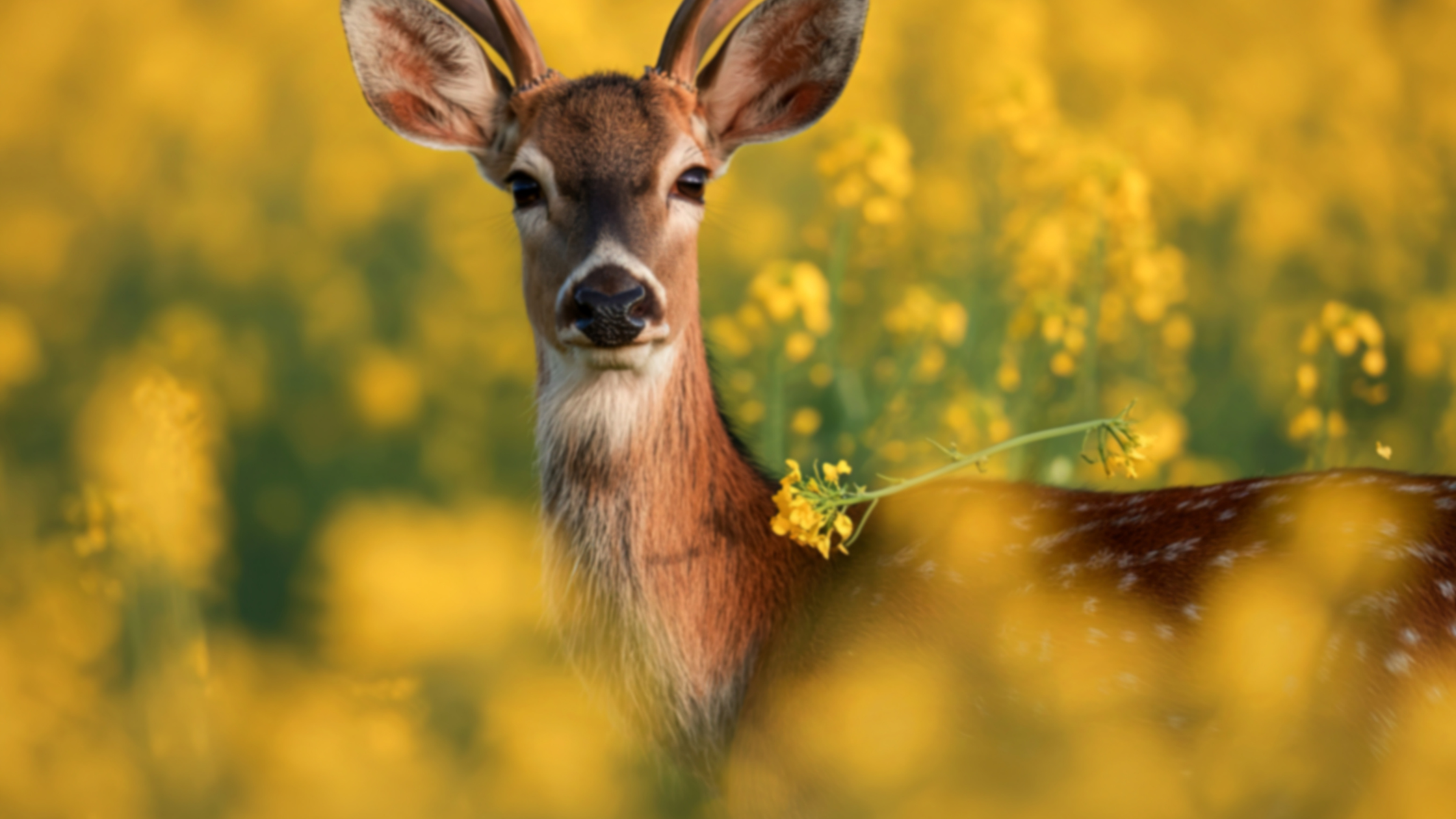
During our recent live stream, "Five Reasons Why You Need More Shrubs," the comments section lit up with a passionate and familiar discussion: how to deal with deer. In many suburban and urban areas, deer populations have swelled due to a lack of natural predators and the year-round food our landscapes provide.
This overpopulation isn't just a headache for those of us trying to grow native plants—it creates a ripple effect across the community. As the National Park Service notes, "when populations are large, deer will search for food elsewhere. They may wind up eating food in your garden or a farmer’s crops – a buffet!"
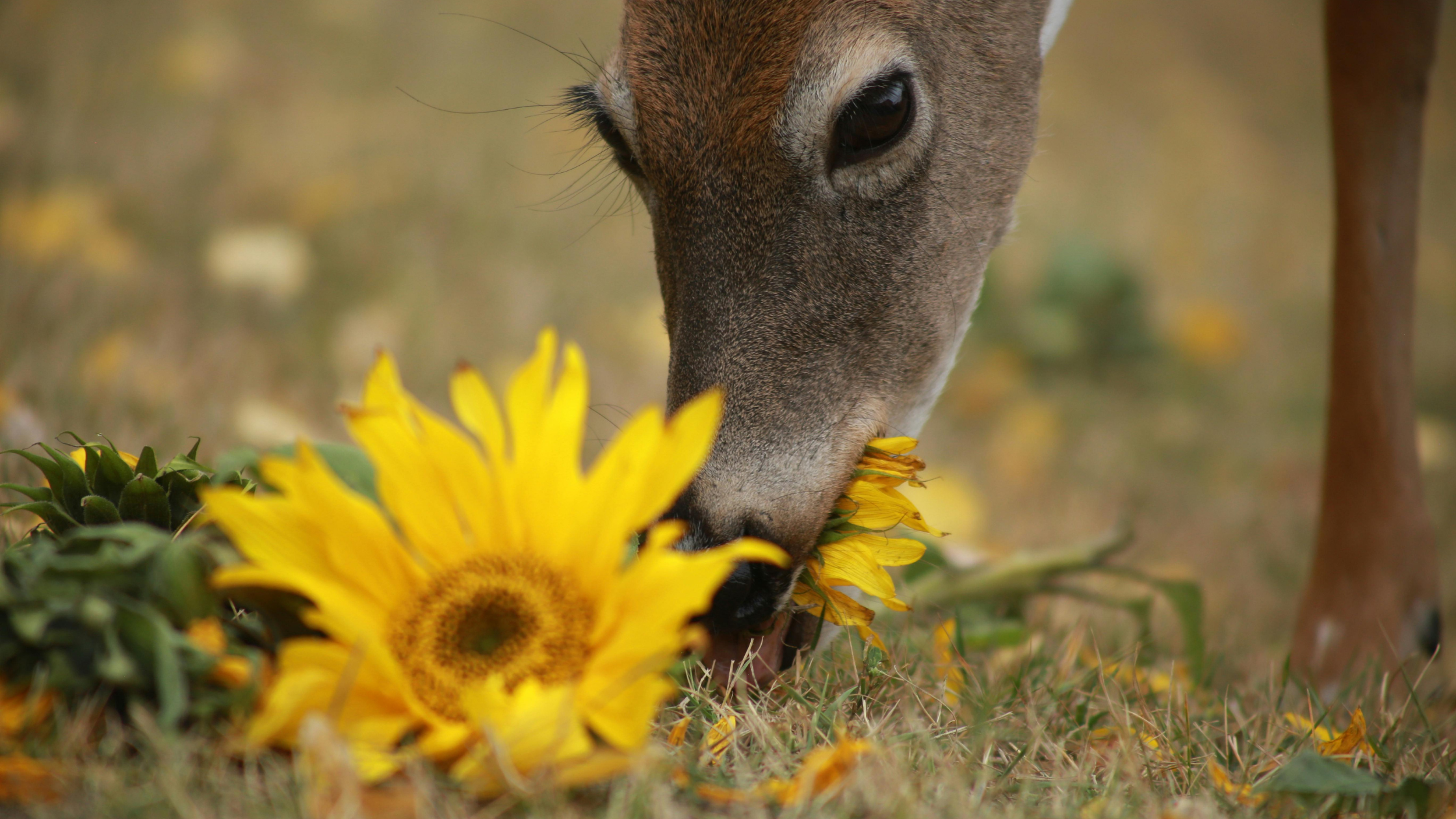
The damage goes far beyond our backyards. When neighborhood deer overbrowse, it quickly diminishes carefully planned gardens and contributes to severe natural habitat loss for birds, bees, and butterflies. PennState’s Department of Ecosystem Science and Management highlights this ecological toll, noting that high levels of browsing "can completely remove the shrub and tree seedling layers" in local habitats, and that many native wildflowers are "reduced in abundance or completely eliminated when deer impact is high."
While we have shared lists of deer-resistant native plants in the past, your recent comments inspired us to take a fresh look at this topic. The hard truth is that there is no magic solution for deer. However, by combining community-tested tactics and strategic landscape design, you can create a beautiful wildlife habitat that withstands the pressure.
The Myth of the Deer-Proof Garden
First, let's clear up a common misconception: no plant is entirely deer-proof. If deer are hungry enough and natural food sources are scarce, they will eat almost anything. Hunger can even drive them to sample plants they usually avoid, such as your savory tomato crops.
Instead of looking for an invisible shield, we need to focus on deer-resistant plants that are simply less palatable. Deer tend to avoid plants based on three factors:
-
Taste: Deer have a strong sense of taste and avoid bitter plants, such as milkweeds like Swamp Milkweed (Asclepias incarnata) and Butterfly Weed (Asclepias tuberosa).
-
Texture: Tough, hairy, or prickly textures are highly unappealing. Deer avoid plants with spines or thorns like American holly (Ilex opaca), as well as native ferns and grasses like Little Bluestem (Schizachyrium scoparium) and Northern Sea Oats (Chasmanthium latifolium).
-
Scent: Strong scents can actively repel deer. They often bypass shrubs with pungent leaves like Bayberry (Myrica pensylvanica), Wax Myrtle (Myrica cerifera), and Spicebush (Lindera benzoin), as well as fragrant wildflowers like Anise Hyssop (Agastache foeniculum) and Bee Balm (Monarda fistulosa).
Strategy 1: "Ouch" Plants and Companion Planting
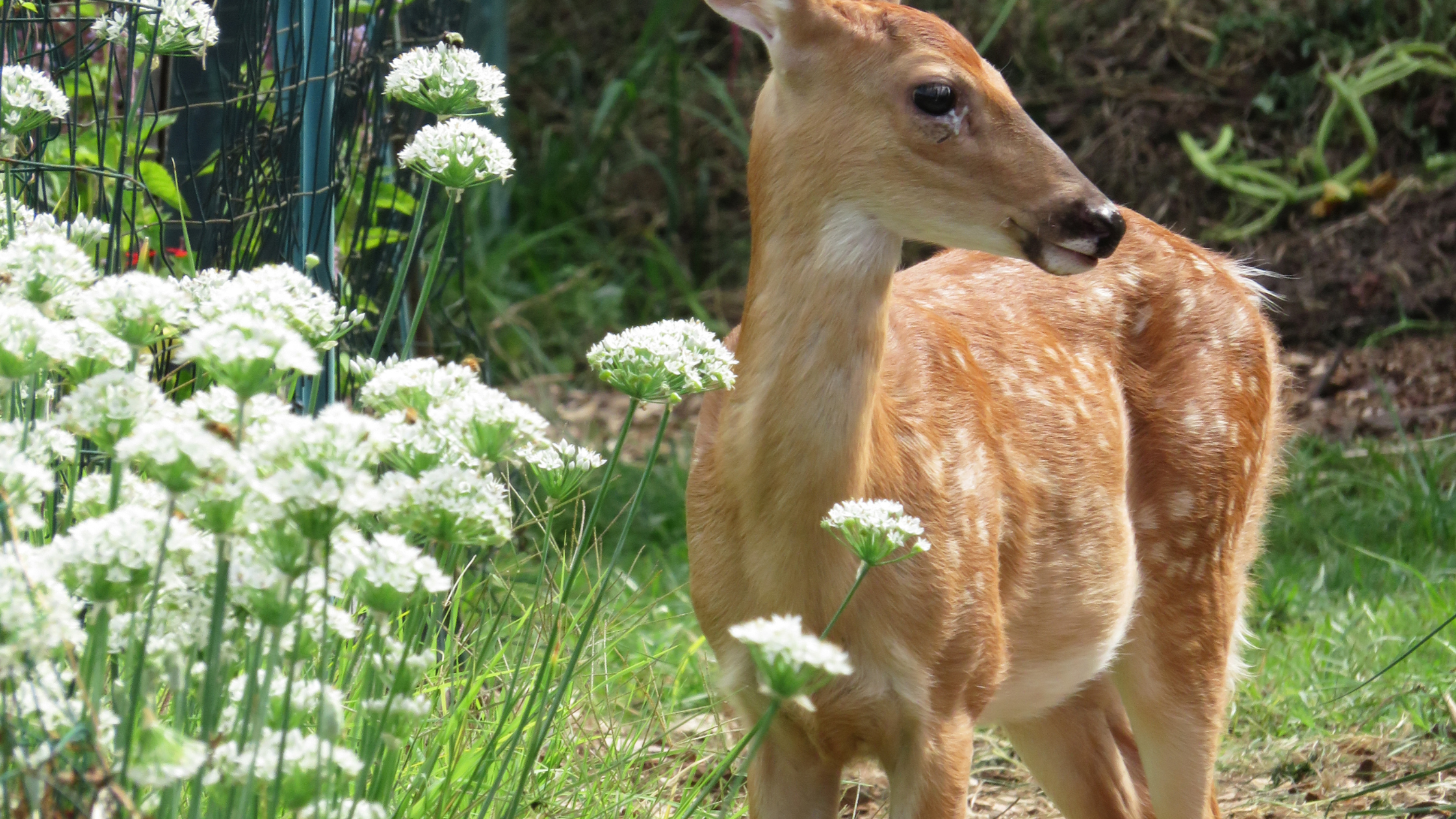
One of our live stream viewers shared a brilliant, organic tactic: companion planting vulnerable saplings with thorny "ouch" plants. Thorns will poke a deer just as they would a human, making the area highly unappealing to them. The same viewer suggested piling a small bunch of sticks around new plants to create a natural, physical deterrent. If you try this method, just make sure to leave adequate airflow and space around the stems. Similar to mulching, you want to protect the plant without smothering it!
You can expand on this by strategically pairing specific species to create a layered defense. For instance, surrounding desirable plants (like azaleas) with a "living fence" of strong-scented or textured plants—such as Grayleaf Goldenrod (Solidago nemoralis), Foxglove Beardtongue (Penstemon digitalis), or Smooth Blue Aster (Symphyotrichum laeve)—can confuse and repel deer. Interplanting your vegetables with garlic, chives, or onions can also discourage them from browsing.
Strategy 2: Design for Disguise
Formal, manicured garden designs make deer browsing damage incredibly obvious. If you want to mask the damage, try designing your garden with a more naturalistic look. A diversely planted garden with various plant shapes and sizes that mimics how they grow in nature makes a few missing leaves much less noticeable. Mixing in a wide variety of textures and heights ensures that even if a deer takes a nibble, your garden's overall aesthetic remains beautifully intact.
Strategy 3: The Unpalatable Buffer Zone
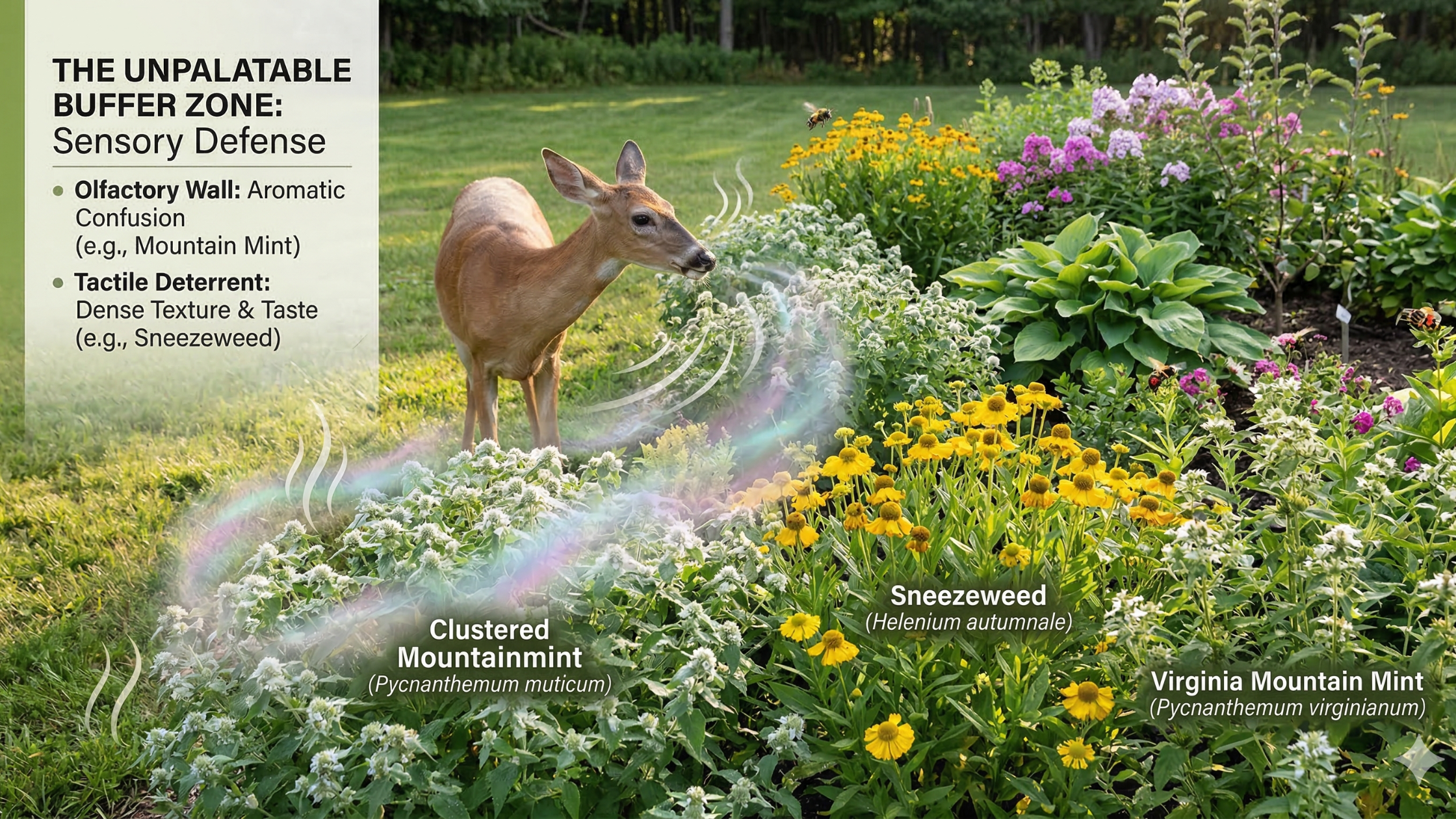
While you can't build a literal wall out of plants, deer navigate dense forests with ease, after all, you can use dense layering to your advantage. Instead of trying to create a physical roadblock, create a sensory one.
By planting clumps of highly unpalatable, deer-resistant species around the perimeter of your beds, you force deer to wade through a buffet of things they actively dislike just to reach the tastier plants inside. A truly effective buffer attacks multiple senses at once:
-
Texture and Taste: Layering robust, bitter perennials like Sneezeweed (Helenium autumnale) or tough, dense clumps of Purple Lovegrass (Eragrostis spectabilis) acts as a tactile deterrent.
-
Scent: Because deer rely heavily on their noses to find food, planting highly aromatic native species creates a confusing scent wall that masks the smell of the vulnerable plants hiding behind them. Try incorporating powerhouses like Clustered Mountainmint (Pycnanthemum muticum), Virginia Mountain Mint (Pycnanthemum virginianum) or the fragrant, fuzzy-leaved Bee Balm (Monarda fistulosa).
Deer may be physically able to walk through this multi-sensory barrier, but faced with bitter tastes, tough textures, and overwhelming scents, they may choose to graze somewhere else.
Strategy 4: Motion, Noise, and Physical Barriers
Because deer are a prey species, they are naturally cautious. One commenter shared a hilarious but effective strategy: their sister deters deer by sitting in a rocking chair holding a rope attached to cans filled with stones, rattling them whenever the deer approach. While you might not want to sit outside all day, you can mimic this effect with sudden movements or noises. Rotating pinwheels, motion detector lights, music, or sprinklers can successfully spook deer as they enter your yard. Unfortunately, their effectiveness wanes over time as the deer acclimate to these methods.
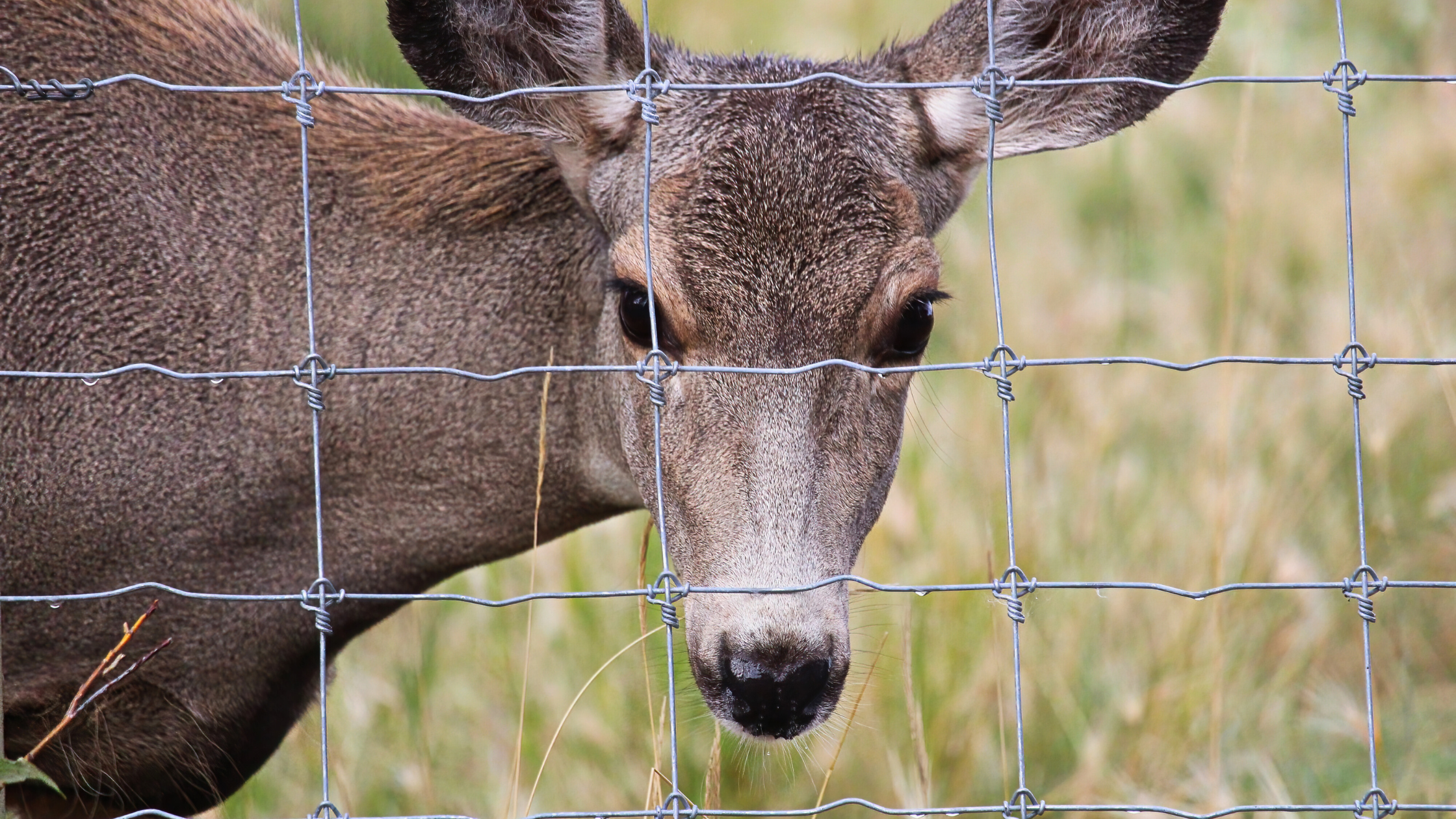
Physical barriers remain one of the most effective methods. While an 8-foot fence around the entire property is the only way to completely keep deer out, it is rarely practical and can be expensive. Instead, you can protect vulnerable spots by:
-
Encircling young trees with sturdy mesh fencing that is at least five feet tall to prevent foliage access.
-
Wrapping trunks with specialized plastic tree guards to prevent browsing and stop male deer from damaging the bark by rubbing their antlers.
-
Pruning lower branches to raise the canopy out of a deer's reach.
What NOT to Do: Deer Deterrents to Avoid
While we are looking for ways to protect our plants, it is just as important to know which popular deterrents to skip to keep our ecosystem safe.
-
Predator Urine: This is often marketed as a natural deterrent, but the reality of how it is sourced is incredibly inhumane. The urine is typically collected from foxes, coyotes, and other wild animals kept in cramped cages under conditions similar to puppy mills. It is a practice we strongly suggest avoiding.
-
Planting Invasive Species: Make sure you are only planting native plants! Many invasive species, like Japanese Barberry, are sold as "deer-resistant" simply because deer refuse to eat them. As deer consume the surrounding native flora, these untouched invasive plants rapidly spread and completely crowd out the local ecosystem.
-
Repellent Sprays: Exercise caution with deer sprays, including DIY or plant-based mixtures made from garlic, hot peppers, etc. Coating plant leaves in anything external to the natural ecosystem can have unintended consequences. A spray that makes a leaf unpalatable to a deer might also harm caterpillars and other beneficial insects, or cause them to avoid the plant entirely and starve.
-
Mothballs: Additionally, never put mothballs outside! Not only is it ineffective, but they are highly toxic. They will pollute your soil, contaminate runoff water, and can easily poison our wildlife friends.
A Better Alternative: Motion-Sensor Sprinklers
If you need an active deterrent, try utilizing unpredictable motion rather than toxic chemicals. One great idea on the market right now is the motion-sensor sprinkler. These devices are set up near your garden beds and go off at night, using a quick burst of water to harmlessly startle and spook deer once they get too close.
Finding the Balance to Support Wildlife
Mastering how to keep deer away from a garden is an art of balance. By combining unappealing textures, naturalistic design, physical barriers, and a bit of vigilance, we can safeguard our plants. This multifaceted approach allows us to successfully foster biodiversity, protect the ecosystem, and respect the wildlife with which we share our outdoor spaces.
Ready to build your resilient habitat? We've taken the guesswork out of finding the right plants for your specific region. Simply enter your zip code to discover beautiful, deer-resistant native species perfectly adapted to your local ecosystem.