

Beneath the tall grasses and floating on the summer breeze, a quiet struggle for survival unfolds every day. The firefly, the monarch, and the bee tells the story of three indispensable pollinators searching for a place to rest, eat, and raise the next generation.
Here is what our world looks like through their eyes—and how we can welcome them home.
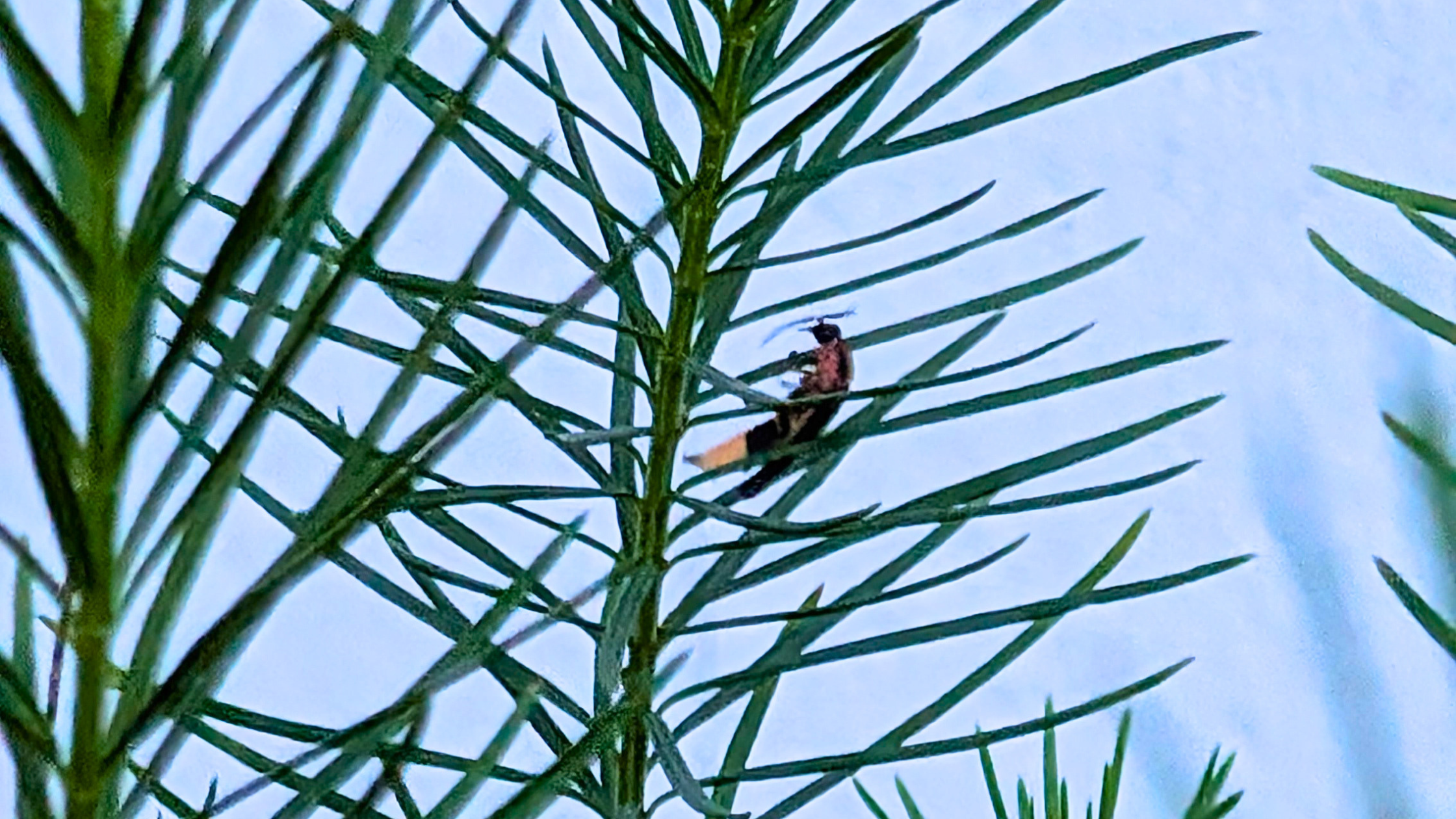
The Firefly: A Spark in the Dark
For five long nights, my signal went unreturned.
As the orange glow of day sank behind the horizon, I lifted off from my damp perch beneath the ferns. I climbed into the cooling evening air, eager to perform the dance of my species—a precise, pulsing pattern of golden-green light. Flash. Pause. Flash. It was a call written into my DNA, a question sent into the dimming world: Are you there?
Normally, a female resting in the lower foliage would flash back, a soft spark guiding me down to her. But every night, as soon as the sun vanished, a massive, artificial sun blazed to life on the side of the towering wooden structure nearby.
Its glare flooded the yard, piercing through the leaves and bleaching the shadows white. In that harsh, blinding light, my gentle spark was completely erased. I flew until my wings grew heavy, calling into a brilliance that drowned out every answer. Night after night, the sky stayed empty.
Then one night, everything changed.
I lifted off from the soil, preparing for another fruitless search. But as the sun dipped, the world actually grew dark. The artificial sun stayed cold and dormant. Velvet shadows stretched across the lawn, and the cool air filled with the familiar, forgotten quiet of a true night.
I climbed the grassy blades of a nearby whorled milkweed plant and lit my beacon. Flash. Pause. Flash.
Below, hidden in the soft darkness of a fallen leaf, a tiny golden light blinked in response.
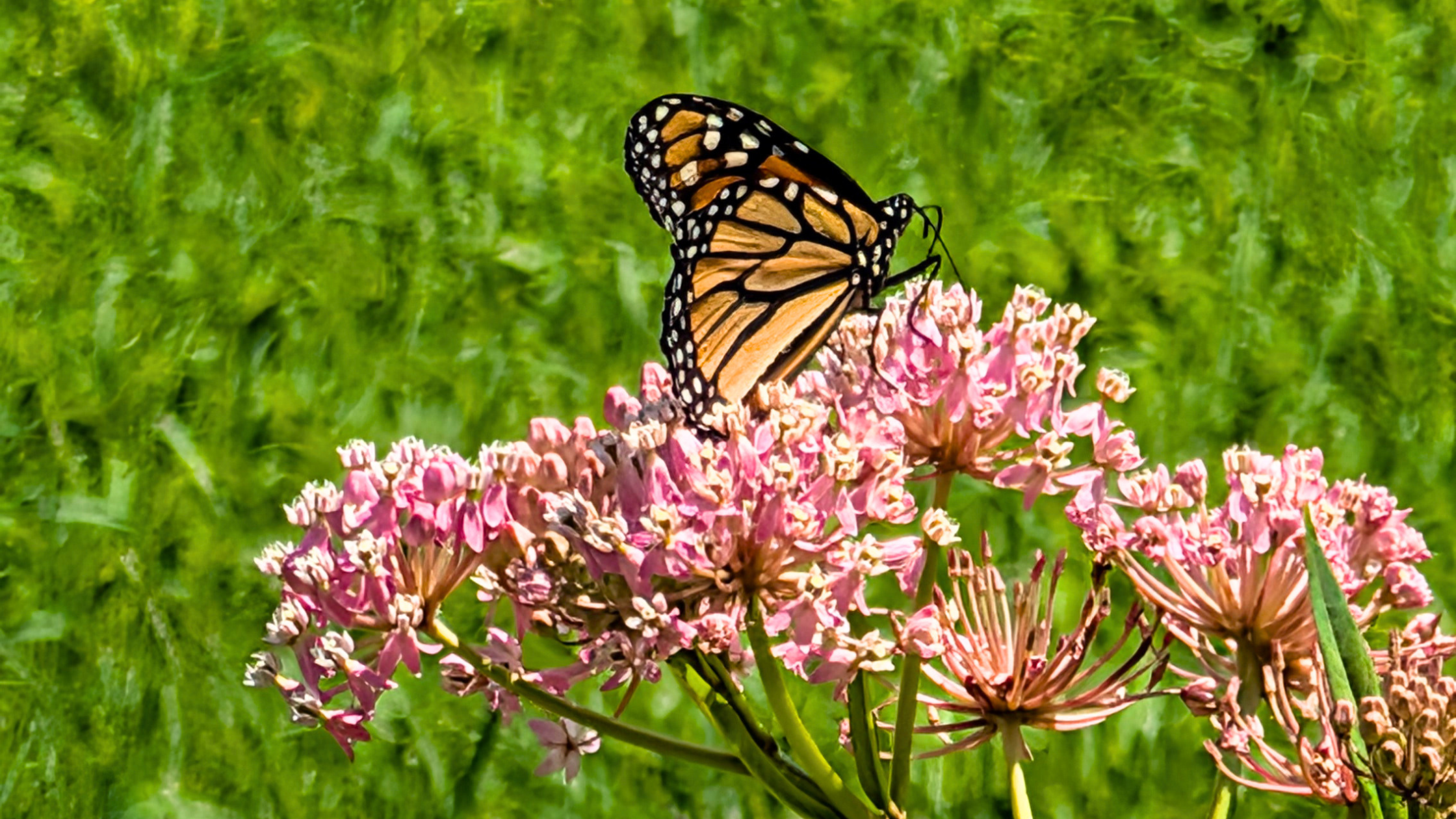
The Monarch: Seeking the Sanctuary
My wings were heavy and battered after hundreds of miles on the wind. Below me, the landscape was a blur of gray concrete, dark asphalt, and glaring white fences. I was exhausted, driven forward only by the urge to lay my eggs before my journey ended.
I drifted down toward a sea of green, hoping for relief. I hovered over a garden bed, inspecting the blooms. A brilliant purple flower—a non-native annual—caught my eye. I reached out with my feet to taste it. No. Not here. My caterpillars cannot eat this. I fluttered over to a towering red blossom. Wrong again. Beautiful to human eyes, perhaps, but a desert to mine.
Panic tightened in my chest. I needed nectar to fuel my flight, and I desperately needed the one plant that could nourish the next generation.
I lifted back into the thermal currents, my energy nearly spent, and let the breeze push me over a wooden fence line.
And there it was.
A sea of deep pink blooms riding high on towering stalks: Swamp Milkweed. Nearby, the garden erupted in a tapestry of blue lobelia, purple coneflowers, and soft pink Spotted Joe Pye. It wasn't just a garden; it was an oasis designed specifically for me.
I descended into the haven, sinking my proboscis into the sweet nectar of the milkweed. Strength flooded back into my tired limbs. Carefully, under the safety of a broad green leaf, I pressed a single, precious egg into place.
I drifted down into the tall native grasses below to rest my wings in the shade. My journey wasn't over yet, but here, the future was secure.
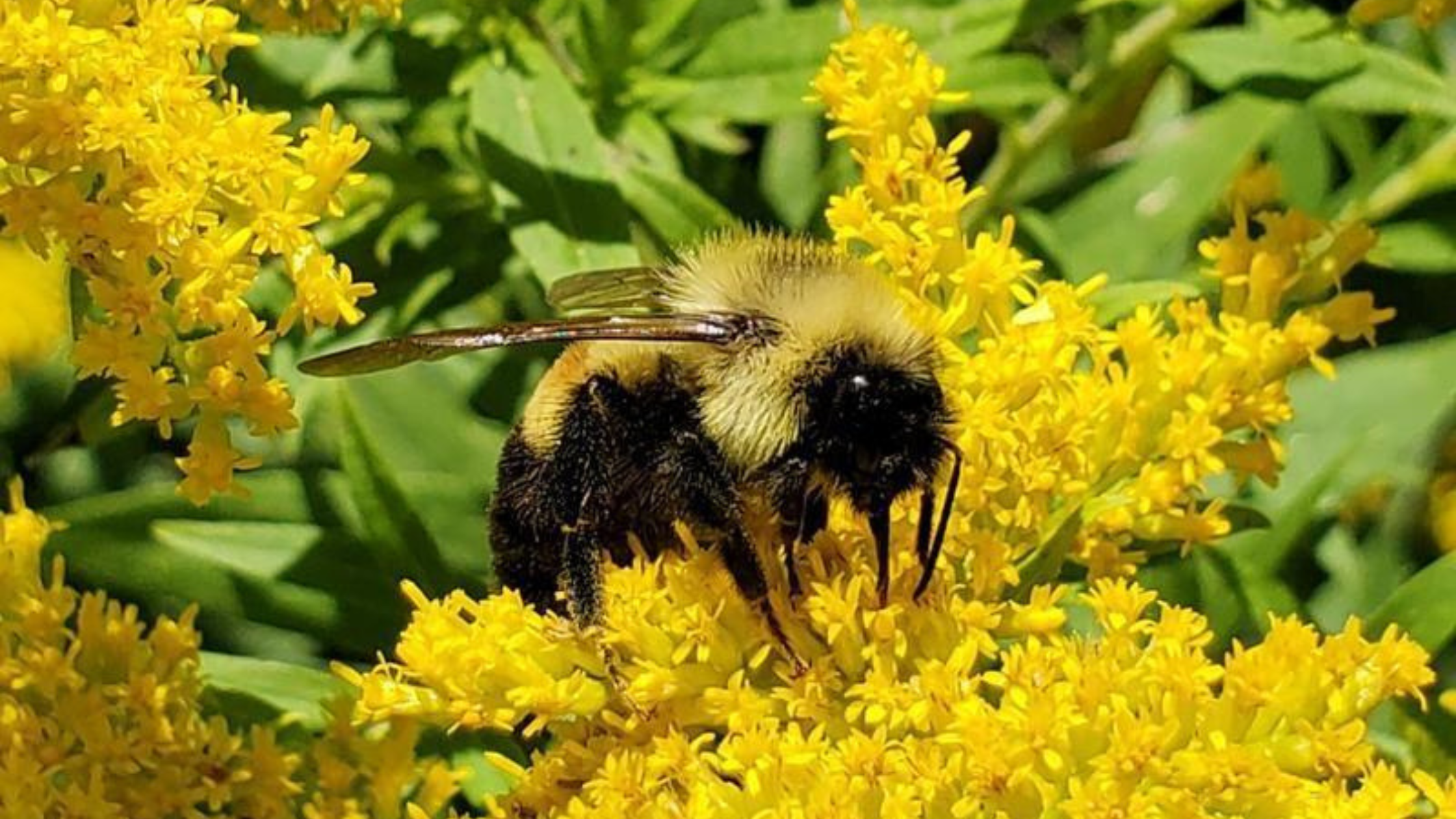
The Bee: Crossing the Food Desert
I was born for a world of blossoms, but for miles, all I could see was a green desert.
Below my vibrating wings stretched vast expanses of manicured turf grass, as featureless and barren as stone. Beyond that lay endless rows of corn and soybeans. They smelled strange—sharp, chemical, and dangerous. My sensitive antennae twitched at the harsh scent of pesticides drifting on the wind.
My flight muscles burned. My energy reserves were completely drained, and my crop was empty. The rusty patch of orange-brown fuzz on my back felt heavy under the beating sun. Without pollen and nectar to bring back to the queen and the brood, my life—and the life of my colony—hung by a thread. I was hovering on the edge of starvation.
I dropped lower, my flight turning erratic, looking for anywhere to land.
Then, a sweet, complex scent caught the breeze. Not a chemical haze, but the rich, unmistakable perfume of wild earth.
I followed the trail over a rise and tumbled straight into a vibrant meadow. There were no harsh chemicals here, no sterile green lawns. The ground was alive with native goldenrod and asters.
I landed heavily on the broad face of a native bloom and drank deeply. Pure, clean nectar refreshed every cell in my body. I dusted my hind legs with thick, yellow pollen, surrounded by the safe, buzzing chorus of a restored world.
I had found home.
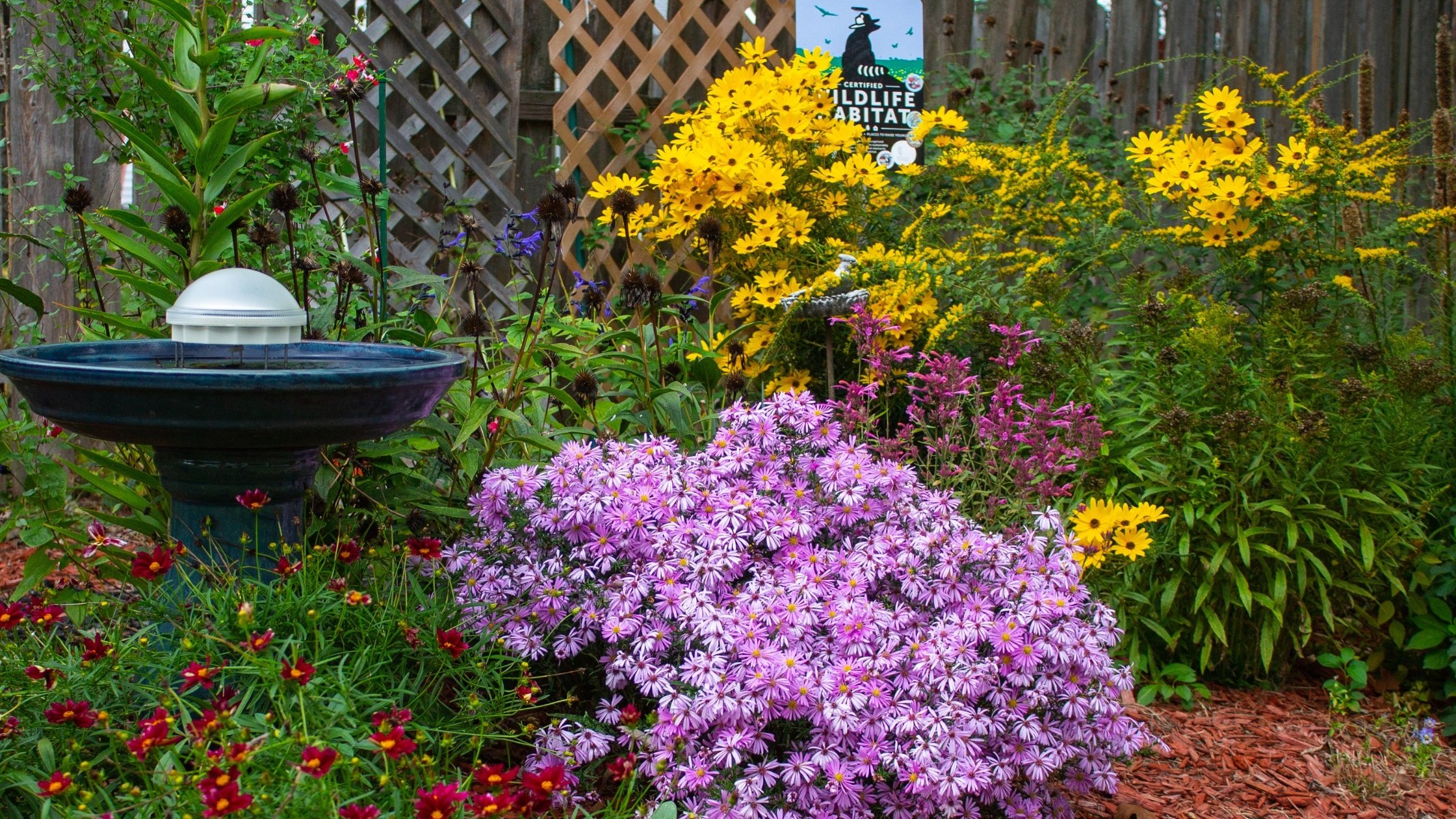
How You Can Rewrite Their Story
The firefly, the monarch, and the endangered rusty-patched bumblebee aren't just characters in a story—they are our neighbors, and their survival depends on the everyday choices we make in our own backyards, balconies, and community gardens.
Restoring wildlife habitat doesn't require a radical overhaul. Small, simple changes add up to life-saving sanctuaries. Here is how you can start today:
1. Darken the Night for Fireflies
Artificial lighting blinds fireflies, disrupts nocturnal pollinators, and throws natural ecosystems out of rhythm. Restoring the night sky is as easy as flipping a switch.
-
Turn off unnecessary outdoor lights: Keep porch and decorative lights off when not in use, especially during prime firefly season (late spring through summer).
-
Switch to Motion Sensors or Timers: Ensure outdoor lighting turns on only when needed for human safety rather than shining continuously.
-
Shield Your Fixtures: Choose down-facing fixtures that direct light toward the ground where you need it, rather than letting it bleed out into the surrounding trees and garden beds.
-
Go Amber or Warm Yellow: Swap cool white or blue LEDs for warm amber bulbs; fireflies are far less sensitive to lower-wavelength warm lighting.
2. Plant Native to Feed the Monarchs and Bees
To a tired pollinator, traditional green lawns and non-native ornamentals look like an endless food desert. Native plants are the crucial bridge they need to survive.
-
Plant Milkweed for Monarchs: Swamp milkweed (Asclepias incarnata), whorled milkweed, and butterfly weed are host plants—the only place monarch butterflies can lay their eggs.
-
Provide Continuous Blooms for Bees: Plant a variety of native wildflowers that bloom from early spring through late fall (like a mix of goldenrod, bee balm, asters, and coneflowers) so pollinators like the rusty patched bumblebee always have a reliable food source.
-
Ditch the Pesticides: Chemical lawn treatments kill beneficial insects alongside pests. Embrace a natural garden cycle where native predators (like birds and ladybugs) help manage pests naturally.
-
Leave a Little "Wild": Leave fallen leaves, tall native grasses, and bare patches of soil over winter. These serve as critical overwintering shelter for firefly larvae, solitary bees, and chrysalises.
Ready to Turn Your Yard Into a Wildlife Habitat?
You don't need acres of land to make a difference. Even a small patch of native flowers and a dark night sky can save thousands of tiny lives this season.
👉 Explore Native Plant Collections at Garden for Wildlife — Find plants native to your exact zip code and start building your sanctuary today!