

Edited by David Mizejewski, National Wildlife Federation Naturalist
When homeowners think about creating a wildlife-friendly yard, a common fear often pops up: “If I grow a lush, native garden instead of a manicured lawn, won't I just attract more ticks and pests?”
It is a completely logical question. Ticks thrive in dense vegetation, so it seems natural to assume that less mowing equals more risk.
However, ecological science shows us that a sterile lawn isn't the shield we think it is. According to research highlighted by the National Wildlife Federation (NWF), uniform suburban landscapes can actually drive the rise of vector-borne infections. If you want to protect your family, the solution isn’t to douse your yard in broad-spectrum chemical pesticides—it’s to restore its biological diversity while practicing smart personal protection.
Here is the science behind why a healthier ecosystem and a smart garden design, means a safer yard.

The Dilution Effect: How Biodiversity Fights Lyme Disease
In a healthy, balanced natural ecosystem, a complex web of predators, competitors, and parasites keep pest populations stable, including ticks, which also require animal hosts to survive.
When humans disrupt these habitats by clearing out native plants, introducing vast expanses of uniform grass lawns, and applying broad-spectrum pesticides, we create a highly disturbed environment where adaptable "generalist" species thrive because their natural competitors and predators have been driven away.
In the case of Lyme disease, the ultimate generalist is the white-footed mouse, which are one of the major vectors for ticks, especially for the blacklegged or deer ticks known to harbor Lyme disease
When a young tick feeds on a wide variety of wildlife—like foxes, snakes, lizards, and various birds—the chain of infection often stops. Many of these alternative animals act as poor hosts for the bacteria, effectively "diluting" the disease within the local wildlife population. Furthermore, predators like foxes, owls, and opossums naturally control the populations of white-footed mice, which are the real culprits driving the disease.
In a sterile suburban yard, biodiversity disappears. Tick nymphs are forced to feed almost exclusively on white-footed mice, which are highly efficient reservoirs for Lyme disease. Compounding the issue, uniform suburban landscapes favor white-tailed deer—another main tick vector and primary host for adult ticks which then mate and lay thousands of eggs.
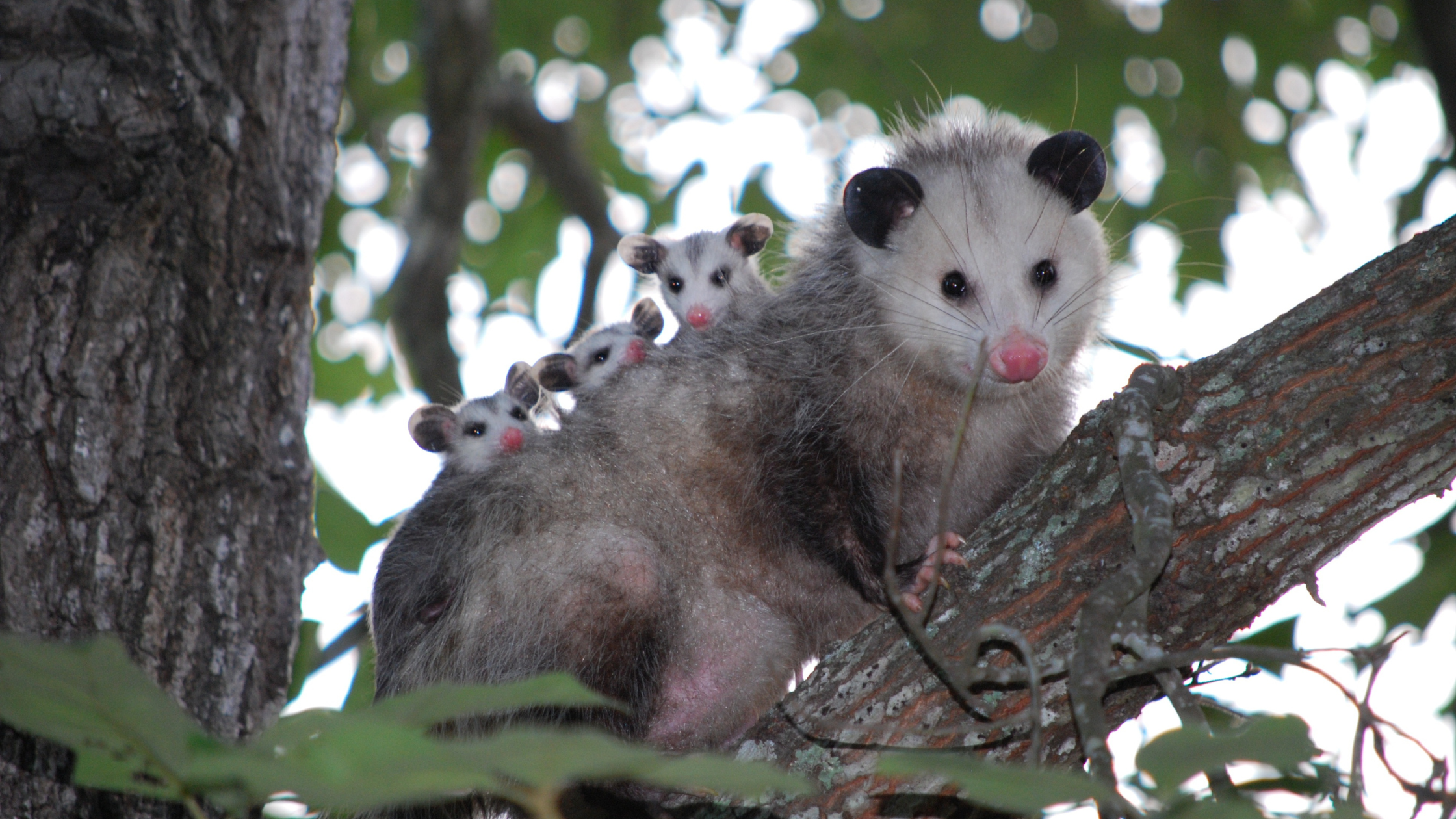
Debunking the Myth: Turns Out Opossums Aren't Tick-Eating Machines
For years, a popular internet meme claimed that a single opossum eats up to 5,000 ticks per week. It sounds amazing, but recent wildlife biology has officially debunked this!
When scientists examined the stomach contents of hundreds of wild opossums, they found virtually zero evidence that opossums eat ticks. Opossums are fastidious groomers, and likely consume some ticks in the process, but they aren't vacuuming up ticks from your yard.
Why they still matter: Even though they don't eat ticks directly, opossums are still vital to a healthy ecosystem. They are excellent at hunting and competing with white-footed mice. By keeping the rodent population in check, they indirectly stop the spread of Lyme disease.
By restoring native habitats, you invite nature’s pest control team (like foxes, owls, and beneficial insects) back to the neighborhood to keep rodent populations in check.
Want to dive deeper into tick biology and how they move between hosts? Listen to entomologist Dr. Thomas Mather (a.k.a. "The TickGuy") break down the science on the Joe Gardener Podcast.
The Problem with Broadcast Chemical Sprays
When homeowners panic about ticks or mosquitoes, the gut reaction is often to hire a pest control company to broadcast spray the property.
As NWF Naturalist David Mizejewski warns, these broad-spectrum chemical insecticides don't just target the pests—they wipe out the entire base of your backyard ecosystem. They kill the beneficial predators, native bees, spiders, and the caterpillars that local birds rely on to feed their babies.
By killing off the natural predators and competitors of pests, chemical sprays accidentally perpetuate the cycle of a disturbed habitat, making your property more vulnerable to pest resurgences over time.
Myth Busting: The Truth About "Tick-Repellent" Plants
There is a widespread misconception in the gardening world that simply putting a few specific plants, like mint or bee balm, in the ground will magically clear ticks from your property.
The Reality Check: Ticks don’t smell a mint plant from across the yard and pack their bags.
Plants produce essential oils as a defense mechanism against herbivorous insects that chew on their leaves. Because ticks and mosquitoes do not eat leaves (they seek blood or nectar), they never trigger the plant to release these oils.
As the saying goes, "the poison is the dose." While highly concentrated, distilled essential oil sprays can effectively repel pests, the living plant itself does not provide a protective forcefield. To get true protection from plant chemistry, scientists rely on advanced innovations like microencapsulation and nanotechnology to keep distilled oils from evaporating too quickly in repellent sprays. Enjoy those beautiful aromatic native plants for the pollinators, but don't rely on them as a tick barrier.
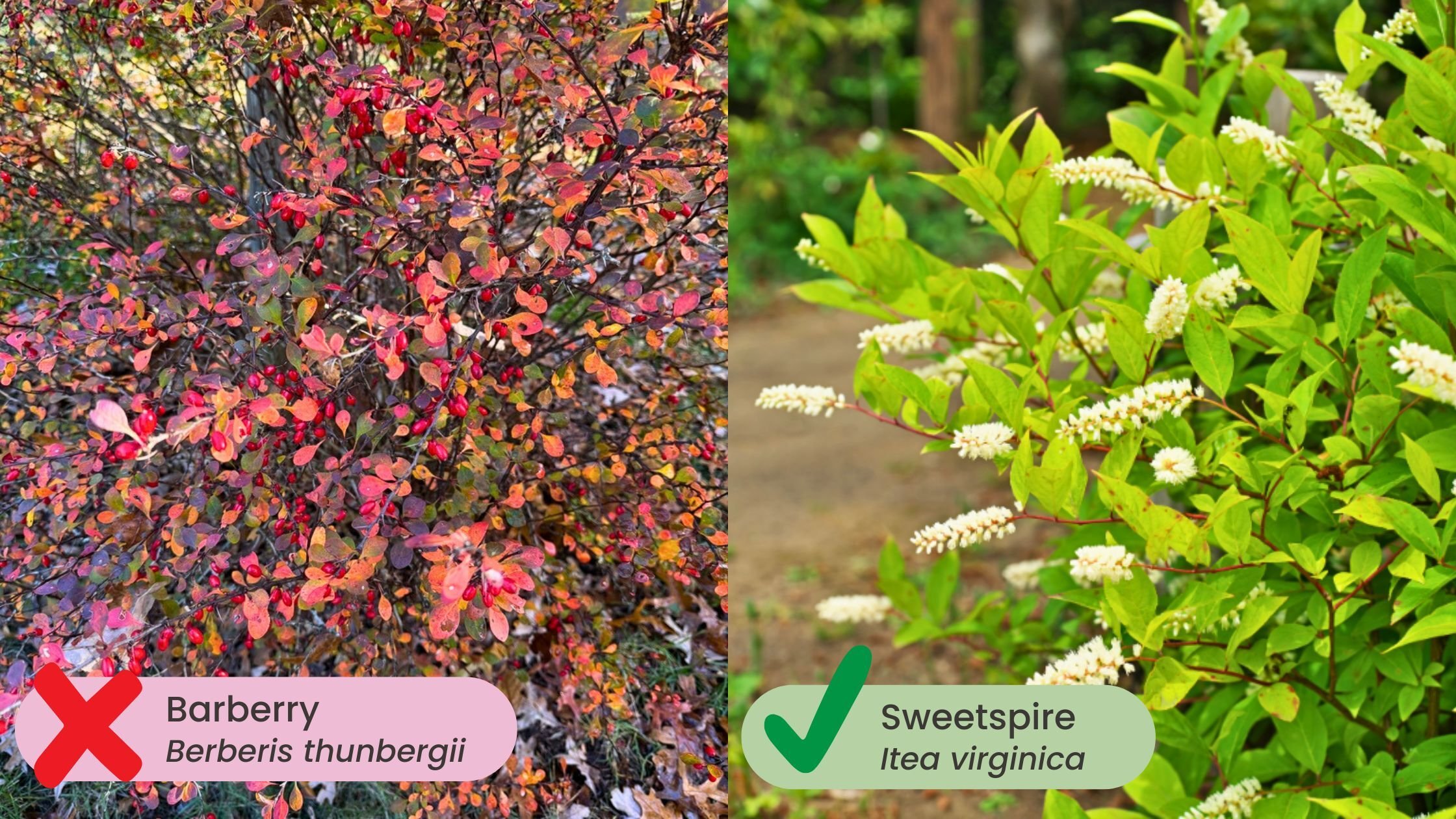
The Barberry Threat: How One Invasive Shrub Invites Ticks
While plants don’t emit a magic scent to repel ticks, certain non-native, invasive plants act as absolute magnets for them. If you live in the Northeast or Mid-Atlantic, you’ve definitely seen Japanese Barberry (Berberis thunbergii). It is the maroon-colored shrub planted in seemingly every parking lot, shopping center, and suburban foundation planting from Maryland to Maine.
But in states like New Jersey, the reign of the Barberry is coming to an end. New Jersey recently passed a landmark invasive species bill phasing out the sale of this popular but problematic shrub. While it has been a landscaping staple for decades because it is tough and deer-resistant, it comes with a heavy public health price tag: it is a premier nursery for deer ticks.
-
The Ultimate Tick Microclimate: Multiyear studies show a massive increase in blacklegged ticks in areas with large populations of Japanese Barberry. Because the shrub grows in dense, tightly overlapping mats, it creates a dark, highly humid microclimate beneath its branches. Ticks require high humidity to survive without drying out—making a Barberry thicket their ultimate luxury hotel.
-
A Sanctuary for Infected Rodents: The sharp spines and barbs on Barberry branches keep predators like foxes and owls away, creating a safe haven for white-footed mice. These mice nest safely inside the thorny thicket, carrying Lyme disease-causing bacteria and feeding hundreds of larval ticks in a closed loop right outside your back door.
If you want a safer yard, getting rid of this invasive plant is one of the fastest ecological upgrades you can make. You can read more about why this plant is being pushed out of the nursery trade in our guide, Bye-Bye Barberry: NJ’s New Ban is a Sign to Upgrade Your Garden.
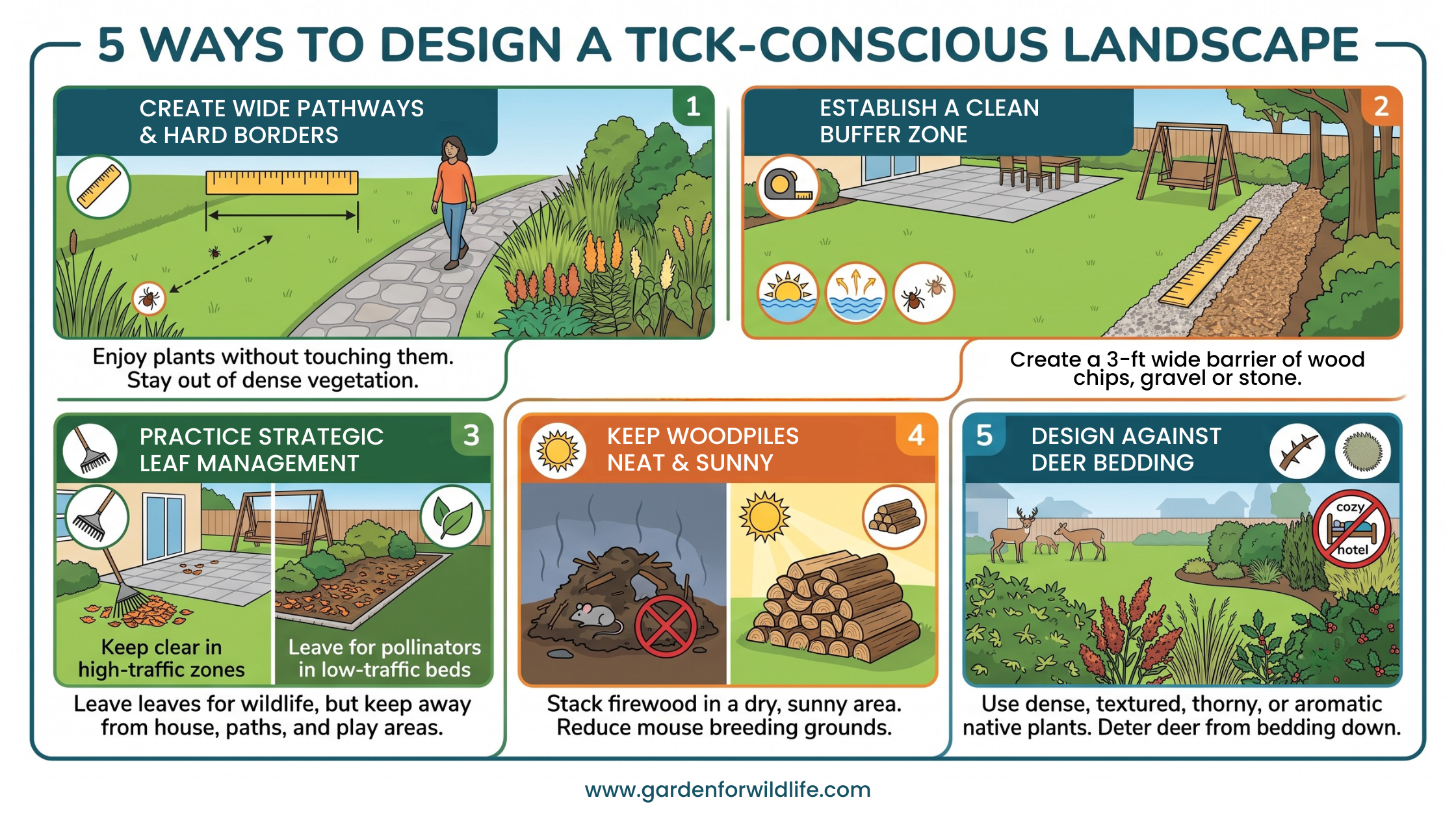
5 Ways to Design a Tick-Conscious Landscape
You don't have to choose between a sterile dead zone and a tick-infested jungle. You can design a beautiful wildlife habitat that naturally minimizes your risk of exposure using smart layouts.
1. Create Wide Pathways and Hard Borders
Ticks do not drop from trees; they live on the ground and climb up low-lying stems (usually about a foot high) to wait for a host to brush past. To avoid them, stay out of dense vegetation. Design your garden with wide, cleanly mowed walkways or paved paths so you can enjoy your plants without brushing against them.
2. Establish a Clean Buffer Zone
Ticks dry out and die quickly without moisture. Create a 3-foot-wide barrier of wood chips, gravel, or crushed stone between your active recreational zones (patios, swing sets) and any naturalized wooded edges or tall native plantings.
3. Practice Strategic Leaf Management
"Leave the leaves" is an essential mantra for protecting overwintering pollinators and providing habitat for wildlife year-round. However, because a thick leaf layer retains moisture, it also harbors ticks. The compromise? Keep leaves away from main walkways, play areas, and the immediate perimeter of your house, but leave them undisturbed in dedicated, low-traffic native garden beds.
4. Keep Woodpiles Neat and Sunny
White-footed mice love nesting in dark, damp woodpiles. Keep your firewood neatly stacked in a dry, sunny area of the yard, ideally away from the house, to reduce rodent breeding grounds near your living spaces.
5. Design Against Deer Bedding
Because white-tailed deer are "tick-reproduction magnets," you want to discourage them from treating your yard like a cozy overnight hotel with tactical landscaping. Densely plant heavily textured, aromatic, thorny or fuzzy native species, like aromatic sumac, switchgrass, or American holly, around the perimeter of your yard. Deer dislike pushing through coarse brush and may choose to bed down elsewhere.
Proactive Personal Protection: Your Real Armor
No matter how your yard is landscaped, personal habits are your best line of defense when working outdoors. Ticks are incredibly resilient—in fact, cold winters don't wipe them out at all (they've survived since the Ice Age!). Dry weather is their true enemy.
When spending time in the garden, follow these steps:
-
Dress Smart: Wear closed-toe shoes, long pants, and tight-fitting clothing. Tuck your shirt into your pants, and tuck your pants directly into your socks to block access to your skin. Ticks usually latch on at shoe or ankle level and crawl upward.
-
Treat Your Gear: Apply permethrin spray to your gardening shoes, socks, and pants. Permethrin is highly effective at repelling and killing ticks on contact, and it stays on clothing through several washes. (Note: Permethrin is for clothing and gear only, never apply it directly to your skin—use DEET or organic repellents for skin protection).
-
Protect Your Pets: Ensure your dogs and cats are on year-round veterinarian-approved flea and tick medications.
What to Do If You Find a Tick
First, don't panic. A tick walking on your clothes or skin is not a threat. Furthermore, a blacklegged tick generally needs to be embedded on a host for 24 to 48 hours to transmit the bacteria that causes Lyme disease
Plus, two-thirds of the ticks that people encounter across America are ticks that don’t transmit the Lyme disease germ.
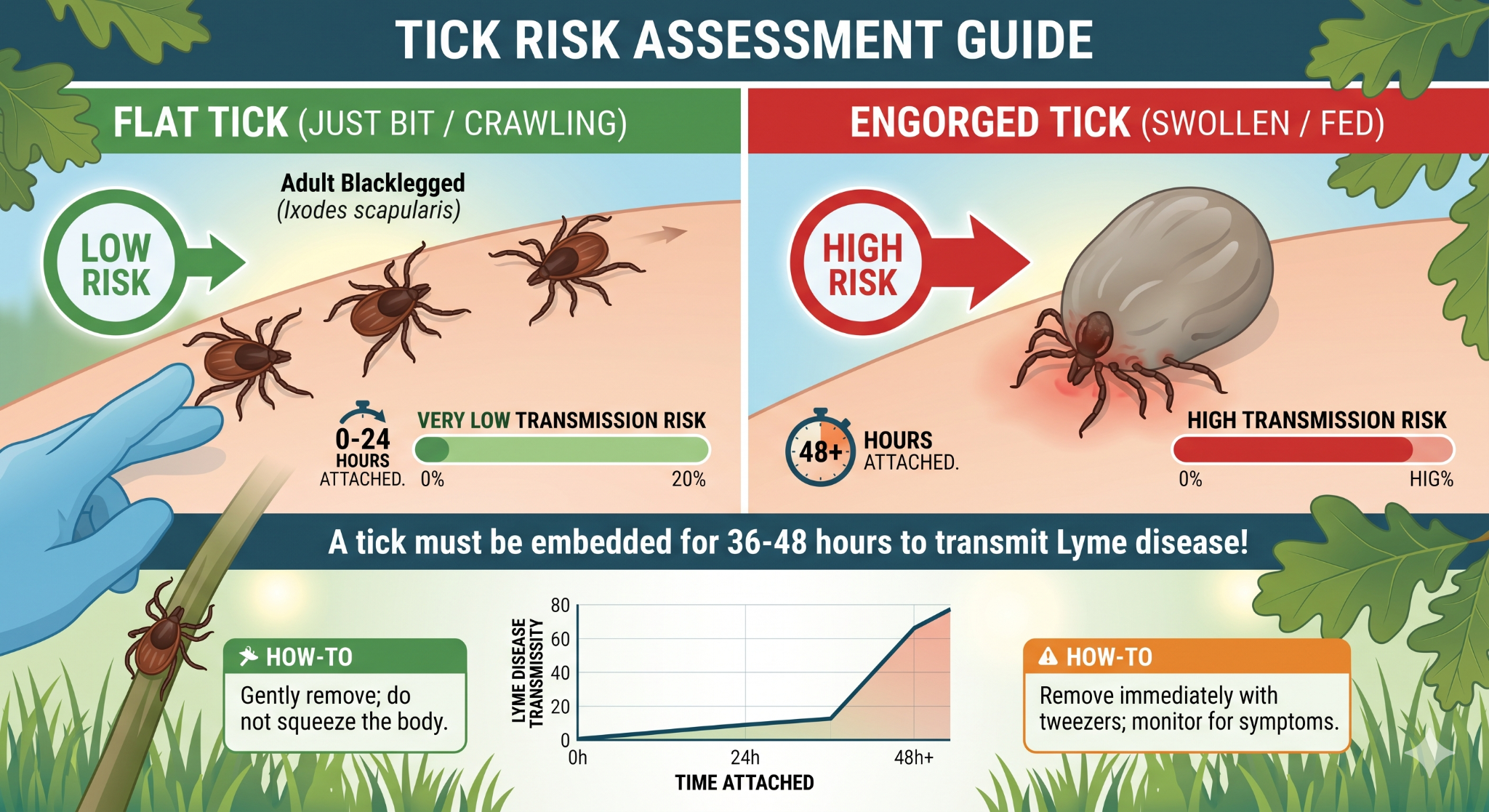
(Note: While rare viruses like Powassan can transmit faster, they are carried by less than 1% of ticks).
How to Safely Remove a Tick:
-
Use needle-nose tweezers: Avoid household remedies like hot matches, petroleum jelly, or squeezing the tick with your fingers. Squeezing the tick’s body is like squeezing a juice pouch of germs—it forces pathogens directly into your body.
-
Grasp close to the skin: Pull upward with steady, even pressure to remove the mouthparts cleanly.
-
Monitor the bite: A small red bump is a normal localized reaction to tick saliva. However, if you develop an expanding, red "bullseye" rash or flu-like symptoms within 5 to 7 days, see a doctor immediately. Early treatment with antibiotics is highly effective.
Unsure what kind of tick you found? Don't guess. You can upload a photo of the top side of the tick to the University of Rhode Island’s TickSpotters program for free, expert identification and personalized risk advice.

Think Globally, Act Locally: Rebuilding Our Ecological Armor
Your yard is part of a much larger ecological puzzle. While national conservation conversations historically focused on protecting massive, distant wilderness preserves, satellite data from NASA revealed a startling reality: manicured turf grass lawns have quietly become the single largest irrigated "crop" in America. Residential lawns, parks, and golf courses now blanket roughly 40 million acres—covering about 2 percent of the entire continental United States.
By converting even a portion of your traditional lawn into a rich, pesticide-free native habitat, you aren't just creating a beautiful sanctuary for birds and butterflies. You are actively rebuilding the local ecological armor that keeps your community safe.
We don't need to rely on the myths of tick-repelling plants or opossum vacuum cleaners to protect ourselves. Instead, by pairing proactive personal habits, like using permethrin and doing thorough tick checks, with intentional garden design, we can safely share our spaces with nature.
Ultimately, creating a healthier ecosystem doesn't mean inviting danger closer to your back door; it means using the power of biodiversity to bring nature back into balance, protecting your family while giving local wildlife a place to truly thrive.
Ready to start building a safer, more biodiverse sanctuary at home? Explore our pollinator-safe native plant collections at Garden For Wildlife.